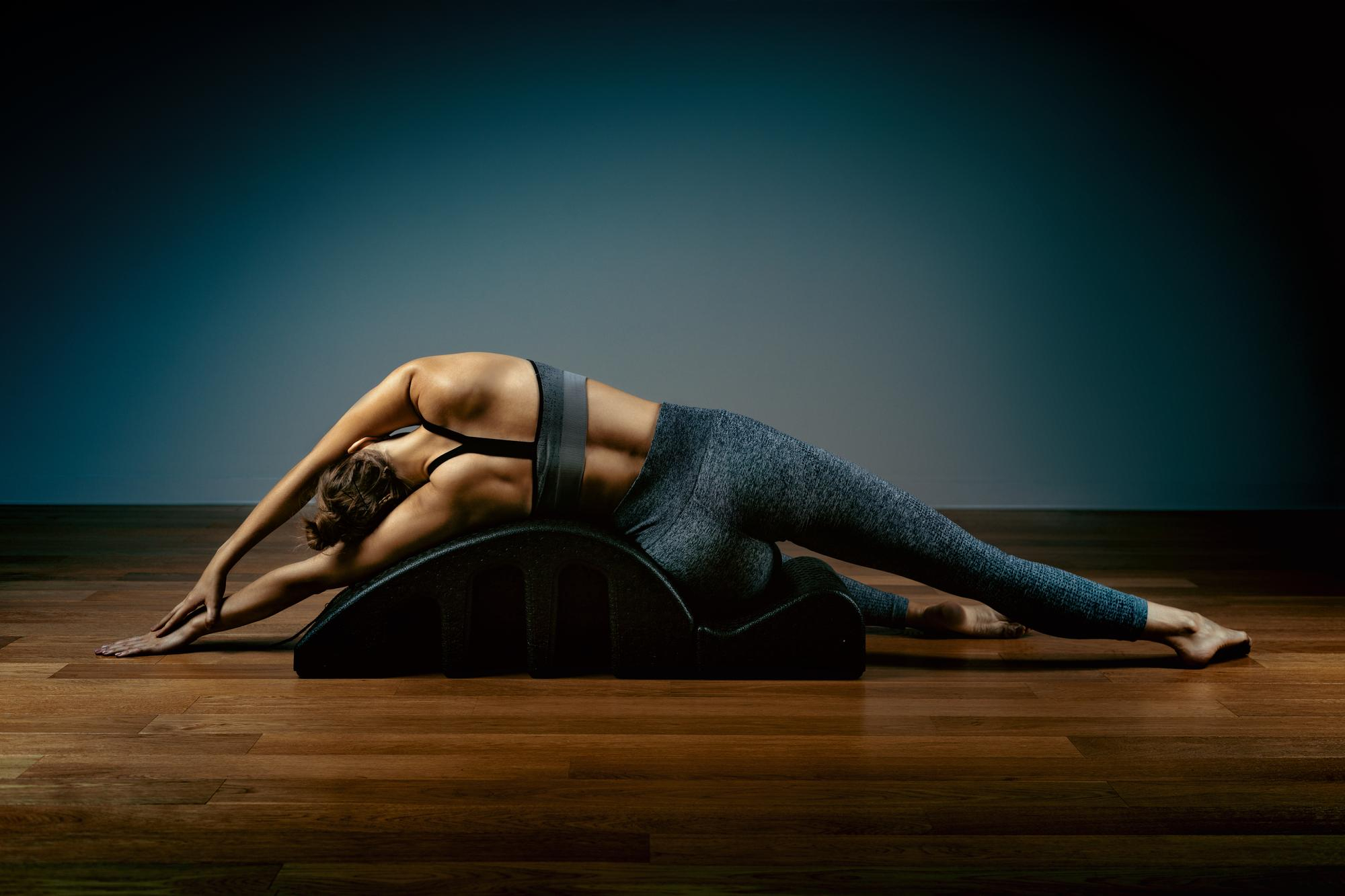
Pilates, Yoga, or Strength?
What Your Body Truly Needs
The question “Which workout is best?” is one of the most frequent—and at the same time, one of the most misunderstood. Exercise science clearly shows that there is no single ideal method for everyone. There is, however, the right method for your specific phase of life, fitness level, and bodily needs.
The Body as a System, Not Just Muscles
The human body functions as a unified system involving the musculoskeletal, nervous, and cardiovascular axes. When one form of exercise is overemphasized at the expense of others, imbalances occur that affect performance, health, and long-term consistency.
Pilates: Control, Stability, and Neuromuscular Precision
Pilates focuses on core stabilization, breath control, and proper movement mechanics. Research indicates that consistent practice improves posture, core muscular endurance, and functional mobility while reducing chronic musculoskeletal pain.
Ideal for:
- Individuals with a sedentary lifestyle.
- Rehabilitating movement patterns.
- Improving control before transitioning to more intense training.
Yoga: Nervous System, Flexibility, and Stress Management
Yoga is not just a physical practice; it is a method for regulating the autonomic nervous system. Studies show it contributes to stress reduction, improved breathing, joint mobility, and better sleep quality.
Particularly beneficial for:
- Individuals with high stress levels.
- Limited mobility.
- The need for decompression and balance.
Strength Training: Power, Bone Density, and Metabolic Health
Strength training is the foundation of health. It increases muscle tissue, enhances bone density, and improves metabolism. Scientific literature links it to a reduced risk of cardiometabolic diseases and better daily functionality.
Essential for:
- Preventing osteoporosis.
- Improving body composition and posture.
- Long-term independence and physical stamina.
The Real Question is Not "Which," but "When"
The body doesn’t always need the same stimulus. There are periods that demand control and mobility, and others that require intensity and power. A scientifically grounded approach doesn't exclude methods—it combines them strategically.
A Holistic Approach to Training
The greatest progress is achieved when Pilates, Yoga, and Strength are integrated into a single plan, tailored to the individual rather than to trends. This reduces injuries, increases consistency, and substantially improves quality of life.
Conclusion
There is no single "right" workout. There is only the right balance. When exercise is treated as a health tool rather than an obligation, the body evolves safely and sustainably.
Bibliographical references
Wells C et al. Effectiveness of Pilates exercise in improving muscle strength, flexibility and posture. Journal of Bodywork
and Movement Therapies, 2014.
Cramer H et al. Yoga for stress management and mental health: A systematic review. Journal of Alternative and
Complementary Medicine, 2013.
Ross A, Thomas S. The health benefits of yoga and exercise: A review of comparison studies. Journal of Alternative and
Complementary Medicine, 2010.
Westcott WL. Resistance training is medicine. Current Sports Medicine Reports, 2012.
ACSM. ACSM’s Guidelines for Exercise Testing and Prescription. 10th Edition.